
Summer is a time for backyard barbecues, camping trips, fireworks displays, and lounging around the pool. This brings unique safety risks that can quickly turn a fun day into an emergency. Here are some important outdoor summer safety tips to help you make the most of the season and prevent injuries, illnesses, and accidents.
Grill Safety
Nothing says summer quite like grilling, but outdoor cooking is a leading cause of warm-weather fires and burns.
Before firing up the grill remember these safety tips.
Keep grills at least ten feet away from your home, deck railings, and overhanging branches.
Never leave a lit grill unattended.
Keep children and pets away from the grilling area.
Clean grease and fat buildup regularly to reduce the risk of flare-ups. Avoid using wire bristled grill cleaning brushes because the bristles can break off and get stuck in your food causing serious injury.
Use long-handled grilling tools to help prevent burns.
If you're using a propane grill, inspect hoses and connections for leaks before use. For charcoal grills, allow coals to cool completely before disposal.
Fireworks Safety
Fireworks are a staple of many summer celebrations, but they can cause serious injuries and fires. According to the Consumer Product Safety Commission, thousands of people are treated in emergency departments each year for fireworks-related injuries, many involving burns to the hands, face, and eyes.
The safest way to enjoy fireworks is to attend a professional display. Please stick to the following list of safety tips if consumer fireworks are legal in your area and you choose to use them.
Follow all local laws and regulations.
Read and follow the manufacturer's instructions.
Keep a bucket of water or garden hose nearby.
Never allow young children to handle fireworks.
Never relight a firework that fails to ignite.
Avoid using fireworks while under the influence of alcohol or drugs.
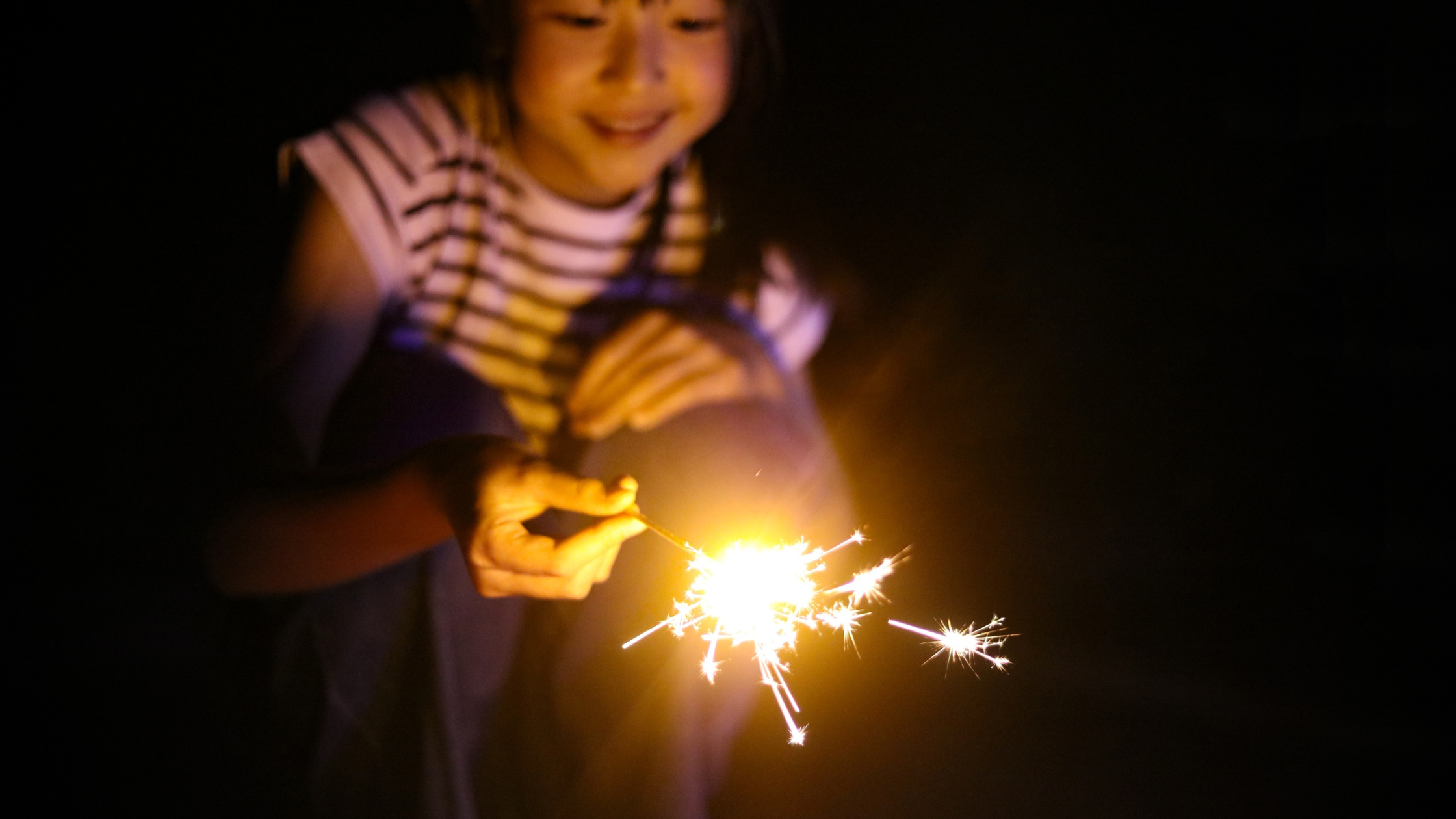
Even sparklers, which many people consider harmless, can reach temperatures of up to 2,000 degrees Fahrenheit and cause severe burns.
Be Smart Around Water
Whether you're swimming in a pool, spending the day at the lake, or relaxing by a river, water safety should always be a priority.
Follow these tips to reduce the risk of drowning.
Never leave children unattended near water, even for a moment.
Designate a responsible adult as a water watcher when children are swimming.
Learn CPR and basic water competency and rescue skills.
Ensure inexperienced swimmers wear properly fitted life jackets.
Avoid swimming alone.
Never dive into unfamiliar water.
It's also important to remember that drowning is often silent. People in distress may not be able to call for help or wave their arms. Active supervision is essential. When boating, everyone should wear a U.S. Coast Guard-approved life jacket, regardless of age or swimming ability.
Protect Yourself From the Sun
Sunshine can boost your mood and help your body produce vitamin D, but too much ultraviolet (UV) exposure increases the risk of sunburn, premature skin aging, and skin cancer.
Protect your skin with the following tips.
Apply a broad-spectrum sunscreen with SPF 30 or higher.
Reapply sunscreen every two hours and after swimming or sweating.
Wear sunglasses that block UVA and UVB rays.
Choose lightweight clothing that covers exposed skin.
Wear a wide-brimmed hat.
Seek shade during peak sunlight hours, typically between 10 a.m. and 4 p.m.
Don't forget commonly missed areas such as the ears, back of the neck, tops of the feet, and lips.
Watch for Heat-Related Illness
Summer temperatures can be dangerous, especially for young children, older adults, and people with chronic medical conditions.
Common heat-related illnesses include heat exhaustion and heat stroke.
Signs of heat exhaustion may include:
Heavy sweating
Dizziness
Headache
Nausea
Muscle cramps
Weakness
Heat stroke is a medical emergency. Symptoms can include:
Body temperature above 103°F
Confusion
Loss of consciousness
Rapid pulse
Hot, red skin
To stay safe be sure to drink plenty of water throughout the day, limit strenuous activity during the hottest hours, take frequent breaks in air-conditioned or shaded areas, and wear lightweight, breathable clothing. Never leave children, older adults, or pets in a parked vehicle.
Prevent Bug Bites
Mosquitoes, ticks, and other insects become more active during the summer months. While many bites are simply annoying, some can spread illnesses such as Lyme disease, Rocky Mountain spotted fever, alpha-gal syndrome, and West Nile virus.
To reduce your risk:
Use EPA-registered insect repellents.
Wear long sleeves and pants when hiking or spending time in wooded areas.
Avoid standing water where mosquitoes breed.
Check yourself, children, and pets for ticks after outdoor activities.
Shower soon after spending time in heavily wooded or grassy areas.
If you find a tick attached to your skin, remove it promptly using fine-tipped tweezers and monitor for symptoms such as fever, rash, or fatigue.
Enjoy Summer Safely
Summer offers countless opportunities to spend time outdoors, stay active, and create lasting memories with family and friends. By taking a few simple precautions around grills, fireworks, water, the sun, insects, and heat, you can help ensure your summer adventures remain safe and enjoyable. A little awareness today can help prevent injuries tomorrow, allowing you to focus on making the most of the season.
About Revan Health
Revan Health provides welcoming, respectful family medicine for all from infants to geriatrics. We understand the pain and frustration that comes with not feeling heard by your family care provider. We believe access to respectful care is key to improving medicine adherence and overall life satisfaction for our patients. Like us on Facebook or visit us at revanhealth.com.