
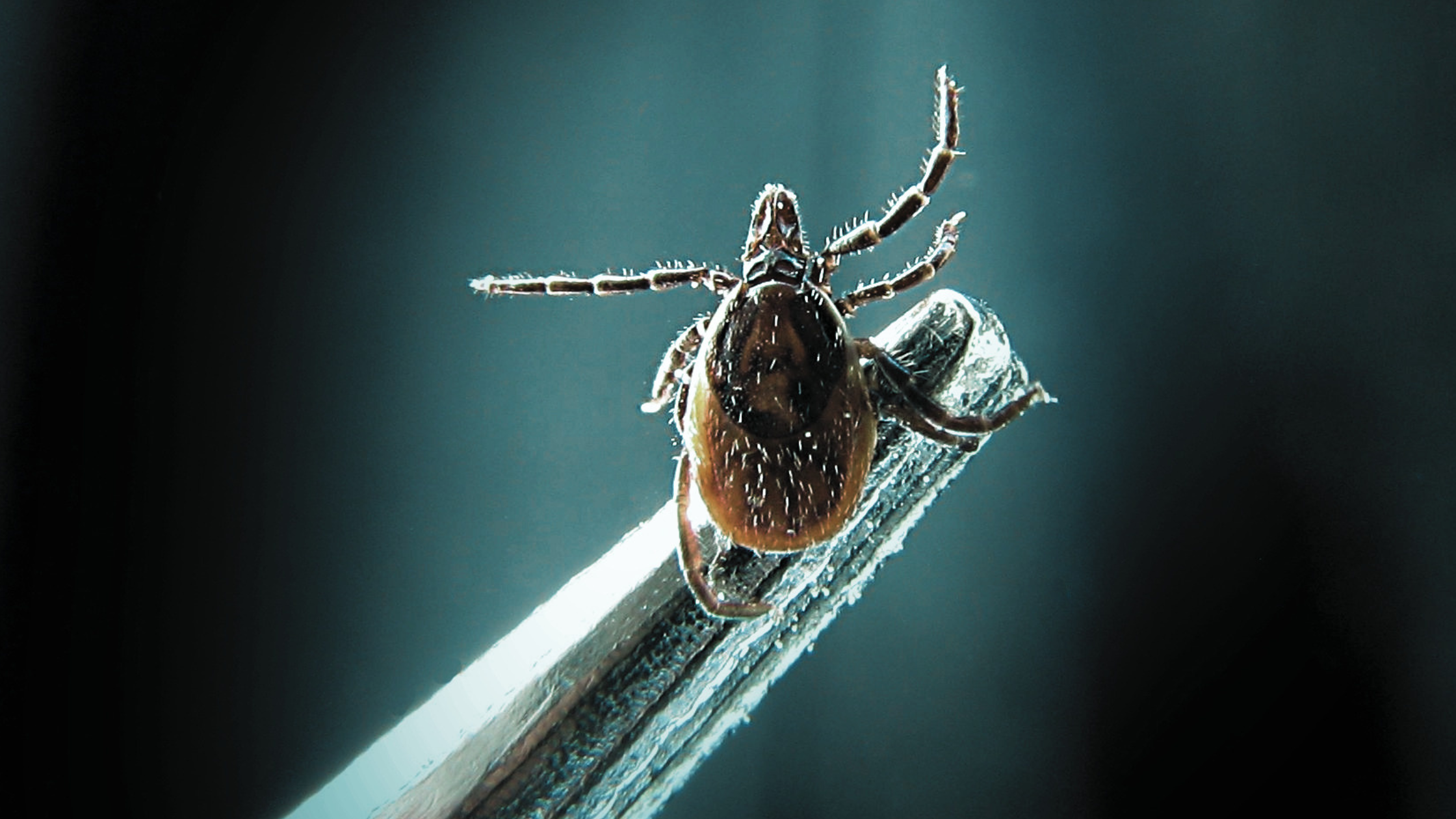
It seems like we all know someone who’s recently been diagnosed with Alpha-gal syndrome, and it’s no wonder since tick-borne illnesses are becoming more and more common.
What was once a niche concern limited to hikers and campers, across the United States, these diseases are becoming a growing public health issue and are showing up earlier in the year, affecting more people, and spreading into new regions.
The Recent Uptick in Tick-Borne Illnesses
Public health experts are sounding the alarm that tick activity is increasing, and so are the illnesses they carry. Recent data from the Centers for Disease Control and Prevention (CDC) shows that emergency room visits for tick bites in 2026 are higher than usual and are the highest for this time of year since 2017. In fact, some areas have seen roughly a 25% increase compared to the same time last year.
Several factors are driving this trend.
1. Warmer temperatures and climate change are allowing ticks to survive longer and expand into new geographic areas.
2. Earlier springs mean ticks are becoming active sooner in the year.
3. Expanding wildlife populations (like deer and rodents) help ticks spread more easily.
Over time, this has led to a broader public health impact. Vector-borne diseases, including those spread by ticks, have more than doubled in the U.S. over the past two decades.
Common Tick-Borne Diseases
Ticks can transmit a wide range of bacteria, viruses, and parasites. Some of the most common in the U.S. include:
Lyme disease is the most common with an estimated 476,000 cases treated annually. It can be debilitating.
Alpha-gal causes an allergy to red meat, pork, and dairy. Symptoms can be managed.
Rocky Mountain spotted fever can be deadly is not treated early.
Anaplasmosis and ehrlichiosis can lead to death if treatment is delayed or if the person infected has a weakened immune system or is 65 years of age or older.
Babesiosis does respond to treatment.
Powassan virus is rare, but cases are increasing. It can be potentially severe.
One of the biggest challenges with tick-borne illnesses is that symptoms often resemble common viral infections.
Early symptoms for all the tick-borne illnesses above may include the following.
Fever and chills
Fatigue
Headache
Muscle and joint aches
Swollen lymph nodes
Some illnesses have more distinctive signs.
A bull’s-eye rash which is commonly associated with Lyme disease.
Other rashes like those seen in Rocky Mountain spotted fever.
Unfortunately, many people don’t remember being bitten, and ticks can be extremely small, especially in their early stages. This can make early diagnosis difficult.
Why Early Treatment Matters
Prompt treatment is critical. Many tick-borne illnesses respond well to antibiotics, especially when caught early.
Antibiotics (like doxycycline) are commonly used and often started based on symptoms alone, before test results come back.
Delayed treatment can lead to more serious complications, including neurological issues, heart problems, or long-term fatigue.
Blood tests can help confirm a diagnosis, but they may take several days and may not be able to detect early infection.
Prevention Is Still the Best Protection
With cases rising, prevention is key:
Use insect repellents with EPA-approved ingredients.
Wear long sleeves and pants in wooded or grassy areas.
Check your body, clothing, and pets after being outdoors.
Remove ticks promptly with fine-tipped tweezers.
The longer a tick remains attached, the higher the risk of disease transmission.
When it comes to tick-borne illnesses, awareness is your best defense. Recognizing symptoms early, seeking timely care, and taking preventive steps can significantly reduce your risk and help you enjoy the outdoors more safely.
About Revan Health
Revan Health provides welcoming, respectful family medicine for all from infants to geriatrics. We understand the pain and frustration that comes with not feeling heard by your family care provider. We believe access to respectful care is key to improving medicine adherence and overall life satisfaction for our patients. Like us on Facebook or visit us at revanhealth.com.